
Add Row
Add Element
cropper
update
AIbizz.ai
update
Add Element
  • Home
  • Categories
    • AI Trends
    • Technology Analysis
    • Business Impact
    • Innovation Strategies
    • Investment Insights
    • AI Marketing
    • AI Software
    • AI Reviews
April 28.2025
3 Minutes Read

Unlocking the Power of SMOTE: Transforming AI Learning Pathways

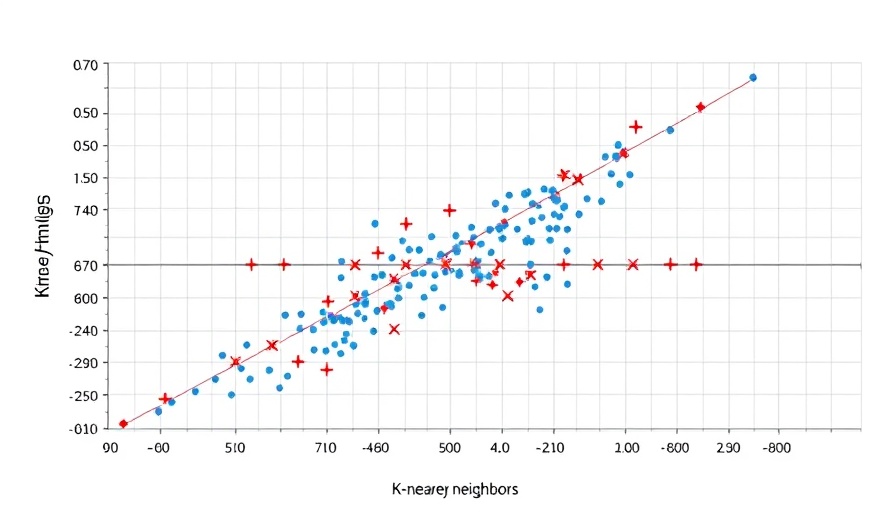
AI learning graph with synthetic data points and interpolation using 3 nearest neighbors.

Diving into SMOTE: A Key Technique in AI Learning

Artificial Intelligence (AI) is revolutionizing industries by leveraging advanced algorithms to enhance decision-making and automate processes. One noteworthy technique within AI learning is the Synthetic Minority Over-sampling Technique (SMOTE). Designed to address class-imbalance problems, SMOTE shows how simulation can create new insights from existing data.

Understanding the Mechanics of SMOTE

At its core, SMOTE is a method of oversampling rare events prior to executing machine learning algorithms. Class imbalance can skew the results of AI learning models, leading to poor performance. By generating synthetic data points, SMOTE helps to ensure that the AI algorithms learn from a more balanced dataset. The foundational idea is simple: use linear interpolation between existing data points to create synthetic observations. This is achieved through the equation Z = P + u*(Q-P), where u is a random uniform variate.

Creating Synthetic Data with SMOTE

To visualize SMOTE, imagine plotting the data points on a graph. You randomly select a point, referred to as P, and then identify its nearest neighbors. From these neighbors, another point, Q, is chosen. A synthetic point is generated somewhere between P and Q on the line connecting them. This method allows the model to mimic real-world data distributions while addressing imbalanced class frequencies, enhancing the learning path in AI.

The Impact of SMOTE in AI Learning Paths

Implementing SMOTE is particularly beneficial for industries where occurrences of certain events are rare but critical—for instance, fraud detection or rare disease diagnosis. By integrating SMOTE, AI applications become significantly more effective, enabling better prediction accuracy and decision-making. As organizations increasingly harness the power of AI, the demand for knowledge around processes like SMOTE becomes indispensable.

Future Predictions: Expanding the Use of Synthetic Data

The use of techniques like SMOTE is expected to grow as AI technology advances. Future innovations might enhance the variability of synthetic data generation. For example, incorporating external variables and causal models could lead to even more realistic representations of minority classes. As AI becomes more ubiquitous in business impacts, understanding how to effectively use simulation methods like SMOTE will be a crucial part of the AI learning path.

Potential Challenges and Considerations

While SMOTE presents numerous advantages in addressing data imbalance, it’s important to recognize potential pitfalls. Generating synthetic data indiscriminately can lead to overfitting, reducing model generalizability. This makes it imperative for AI practitioners to apply SMOTE judiciously, carefully assessing the effectiveness of the generated data in relation to the task at hand. Furthermore, integrating SMOTE necessitates a robust understanding of data quality and relevance, minimizing risks associated with misleading results.

The rise of synthetic data generation techniques like SMOTE is transforming AI learning pathways, driving innovative solutions across numerous sectors. Those eager to expand their understanding of AI science should actively explore such methodologies, as they hold the potential to enhance decision-making processes significantly. Whether you’re in tech, healthcare, or finance, the implications of SMOTE are worth examining.

Conclusion: Embrace Synthetic Data for Successful AI Deployment

As businesses gear up to implement AI in their operations, understanding and leveraging techniques such as SMOTE can be pivotal. By addressing class imbalance and enhancing the richness of predictive models, organizations can unlock substantial value from their data. To further your journey in AI learning, consider implementing such techniques and exploring their impact on your specific sector. Embrace the future of AI with confidence, equipped with the knowledge from techniques like SMOTE!

Technology Analysis

2 Views

0 Comments

Write A Comment

*
*
Related Posts All Posts
11.15.2025

Unlock Faster AI Success with SAS and Intel's Collaboration

Update Building Trust in AI Solutions with SAS and Intel As the demand for artificial intelligence (AI) solutions grows, the stakes for teams developing these technologies have never been higher. Organizations face the pressing need for faster decision-making and reliable results while maintaining manageable compute costs. The collaboration between SAS and Intel stands as a prominent example of how technology partnerships can drive innovation and efficiency in the AI landscape. Fast-Tracking Model Development Through Collaboration At the core of efficient AI development is speed. With SAS® Viya® optimized for Intel’s latest Xeon 5 processors, teams can significantly reduce their model development cycles. This optimization allows for quicker iterations and accelerated decisions, enabling businesses to respond to market changes more proficiently. A practical example is the ability for data scientists to validate models faster, ensuring that insights derived from AI can be acted upon without delay. A Flexible Development Environment for Diverse Teams The landscape of AI development is diverse, comprising both seasoned developers and those who prefer low-code environments. The SAS Viya Workbench caters to this need by providing a cloud-based platform that supports languages like SAS, Python, or R. By integrating familiar tools such as Visual Studio Code and Jupyter notebooks, SAS and Intel enable smoother transitions from experimentation to production. This flexibility not only promotes inclusivity but also enhances teamwork, allowing Specialists to collaboratively explore AI developments in ways they find most effective. Responsible AI with Scalable Decision Intelligence One of the fundamental challenges in the AI domain is ensuring responsible use at scale. SAS Decision Builder emerges as a vital tool that transforms analytics insights into real-time decisions seamlessly. Operating on Intel-optimized infrastructure, this combination provides the backbone for scalable AI operations, which is particularly crucial for industries relying on timely, data-driven choices. The end result is a heightened confidence in decision-making processes, which is paramount in today’s data-centric economy. Innovation Without Compromise: The Role of Synthetic Data As organizations increasingly recognize the importance of responsible AI practices, the use of synthetic data becomes more relevant. SAS Data Maker leverages Intel® Advanced Matrix Extensions, allowing users to efficiently process deep learning tasks that involve sensitive or limited datasets. This capability not only accelerates innovation in machine learning but also preserves user privacy, addressing ethical concerns in technology deployment. Synthetic data can thus empower teams to innovate without the constraints of real-world data limitations, demonstrating that such challenges can be effectively overcome with the right tools. The Road Ahead: Emphasizing Trust and Performance The partnership between SAS and Intel highlights a clear vision: building AI solutions that not only perform but also engender trust among users. In an era where AI technologies are rapidly embedding themselves into various sectors, fostering confidence in AI deployments is critical. As more businesses turn to these collaborative solutions, the impact on performance, scalability, and innovation will continue to unfold. In conclusion, as we venture deeper into the emerging field of AI, understanding its technology-driven foundations becomes essential. Companies investing in AI should look beyond mere performance metrics and instead focus on establishing trust, ensuring that the solutions developed will yield transformative results.

11.15.2025

Transforming Workplace Safety: The Game-Changing Role of AI and Digital Twin Technology

Update How Digital Twins are Revolutionizing PPE Compliance In the realm of industrial safety, ensuring that workers wear Personal Protective Equipment (PPE) has always been critical. With advancements in technology, particularly digital twins and artificial intelligence (AI), there is now an unprecedented opportunity to revolutionize how this compliance is monitored and enforced. Understanding the Role of Digital Twins Digital twin technology creates a virtual replica of physical environments, which allows practitioners to simulate various scenarios without the risks associated with real-world trials. This proactive approach addresses traditional challenges, such as the time-consuming and error-prone process of collecting real-world images for AI training on PPE detection. By utilizing synthetic data generated in a controlled environment, companies can train their AI systems with diverse and accurately labeled datasets, improving model performance and safety outcomes. The Power of AI in PPE Monitoring AI-powered systems, such as those developed by Visionify, are transforming workplace safety by moving from a compliance-first mentality to fostering a culture of proactive safety. These systems continuously monitor compliance with remarkable accuracy, providing real-time alerts for violations and freeing human safety personnel from mundane tasks. According to industry data, organizations that have implemented AI-driven solutions have reported reductions in manual monitoring efforts by up to 90%, enhancing overall safety culture and effectiveness. Why Traditional Methods Fall Short Despite the clear need for consistent PPE compliance, traditional monitoring methods are fraught with limitations. Human error, oversight fatigue, and inconsistent application of rules can all lead to dangerous lapses in safety. In high-risk environments, even a minor non-compliance could lead to significant injuries. With AI technologies, companies now have the capability to automate monitoring and enforce compliance in a way that conventional methods cannot achieve. Case Studies Highlighting the Impact Organizations utilizing AI-driven systems have seen measurable benefits. For instance, one manufacturing facility reported an 87% reduction in safety violations within six months of implementing an AI-powered monitoring system. Not only did this lead to fewer injuries and better compliance rates, but it also allowed safety managers to allocate their time more effectively, focusing on strategic safety initiatives rather than tedious manual audits. The Future of Workplace Safety Culture As technology continues to advance, the future of safety in industrial environments looks promising. Emerging trends suggest a shift towards not just preventing incidents but embedding safety in the very fabric of workplace culture. Companies are looking beyond compliance checklists to forge a proactive approach, where compliance becomes a shared responsibility among all employees. Actions enabled by real-time data insights will inspire more rigorous training programs, facilitating a deeper understanding of safety among workers. Final Thoughts: Embracing Change for Safer Workplaces With the integration of AI and digital twins, the potential for creating safer workplaces is greater than ever. More than just compliance technology, these advancements represent a shift in mindset that emphasizes a culture of safety as an intrinsic value of business operations. As industries continue to explore these innovations, it is essential they prioritize worker safety, ensuring every individual returns home safely each day. If you want to stay ahead in understanding how AI learning and digital twin technology are reshaping workplace safety, consider exploring these advancements further. Learn more about how your organization can leverage these technologies to create a more secure work environment.

11.14.2025

Transforming from Target to Trusted: How AI is Fighting Fraud

Update Understanding AI's Impact on Fraud Prevention The rise of artificial intelligence (AI) has revolutionized the fight against fraud, providing organizations with tools that not only react to threats but also adapt and anticipate them in real time. As the landscape of fraud evolves with increasingly sophisticated schemes, businesses are transforming from merely targeted victims into trusted entities by leveraging robust AI-driven solutions. The Growing Threat of AI in Fraudulence Identity theft is a prevalent issue that affects countless individuals and institutions. As anyone can relate, the fear of personal data becoming compromised is all too real. According to statistics, identity fraud has increased enormously, with AI technologies now enabling fraudsters to create synthetic identities and automate scams. For example, a startling 3,000% rise in deepfake identity fraud cases has been noted recently. Consequently, the complexity of fraud detection systems must evolve to cope with these emerging threats. How AI Enhances Fraud Detection AI-powered solutions like SAS Fraud Decisioning integrate advanced analytics and machine learning to enhance fraud detection capabilities. This allows banks and financial institutions to respond quickly to threats by consolidating data that reveals suspicious patterns. These systems continuously learn from past fraud attempts, adapting quickly to stay one step ahead of criminals. Real-Time Protection and Predictive Analytics The power of real-time AI solutions lies in their speed. Unlike traditional methods that require time-consuming manual reviews, AI elements can process vast datasets almost instantaneously. For instance, by analyzing transaction behaviors and correlating them with historical data, businesses can detect anomalies before they escalate into significant issues. This proactive approach not only prevents losses but also preserves customer trust—an invaluable currency in today’s competitive marketplace. Benefits of Embracing AI in Fraud Strategies Adopting AI technology for fraud detection delivers numerous advantages. Businesses report reduced operational costs and improved accuracy in identifying genuine fraud cases versus false positives. Enhanced detection capabilities lead to better customer experiences, as legitimate transactions flow uninterrupted while fraudulent activities are swiftly addressed. As organizations build their AI strategy, focusing on continuous monitoring, ethical data usage, and adaptive authentication is crucial. This comprehensive approach can ensure that even more advanced threats, such as AI-driven deepfakes and automated bots, are effectively mitigated. Moving Towards a Secure Future Emerging threats aren't just technological issues; they’re challenges requiring human expertise and strategic foresight. By implementing AI-driven fraud detection strategies, businesses can not only withstand current challenges but also forge ahead into an era of trust and security. As technology continues to advance, the collaboration of human intelligence and AI will define the landscape of fraud prevention. Understanding the nuances of AI learning paths must become a priority for all stakeholders involved in fraud prevention. Continuous education about AI science can empower teams to model robust defenses that evolve with threats, reinforcing their commitment to protecting customer identities and maintaining institutional integrity. As organizations invest in AI fraud detection technologies, they pave the way for an era where fraudsters find it increasingly difficult to penetrate defenses. Staying informed and equipped with the right tools will be paramount in safeguarding not just personal data, but also the reputations of organizations dedicated to the security of their customers. Call to Action If you want to learn how AI technologies can enhance your organization’s fraud detection strategy, consider exploring AI learning paths and resources available that provide insight into the cutting-edge tools and techniques shaping this domain.

Terms of Service

Privacy Policy

Core Modal Title

Sorry, no results found

You Might Find These Articles Interesting

T
Please Check Your Email
We Will Be Following Up Shortly
*
*
*