
Add Row
Add Element
cropper
update
AIbizz.ai
update
Add Element
  • Home
  • Categories
    • AI Trends
    • Technology Analysis
    • Business Impact
    • Innovation Strategies
    • Investment Insights
    • AI Marketing
    • AI Software
    • AI Reviews
August 30.2025
3 Minutes Read

Employees Express Lack of Trust in AI Integration at Work

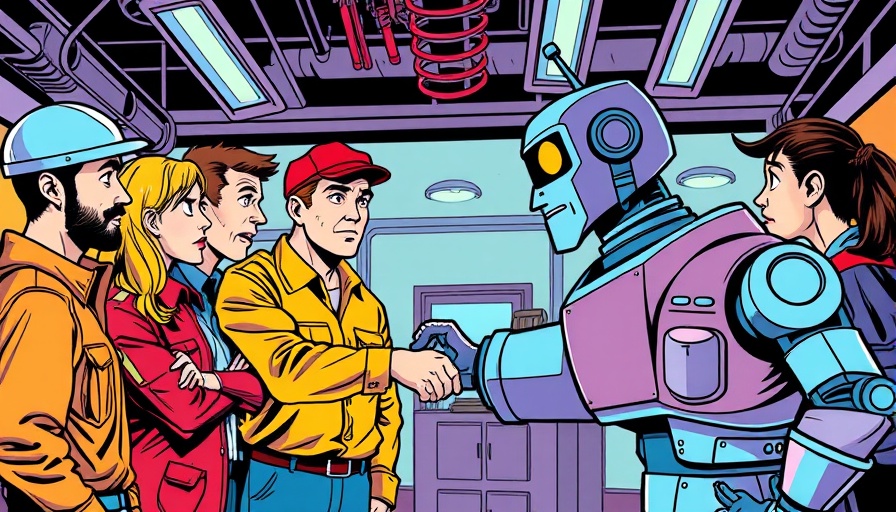
Retro comic of workers distrustful of AI, shaking hands with robot.

The Trust Deficit: Workers and AI Integration

In today’s rapidly evolving workplace, a crucial conversation is emerging about the relationship between employees and artificial intelligence (AI). A recent discussion prompted by the video titled Workers Don't Trust Their Companies on AI has unveiled a stark sentiment: many employees harbor significant distrust toward their employers regarding AI implementation. This gap in trust can have wide-ranging implications, especially as AI continues to permeate various industries.

In the video titled Workers Don't Trust Their Companies on AI, the discussion delves into the trust issues between employees and employers regarding AI. This prompted us to analyze the implications of these sentiments and their potential impact on the business landscape.

Understanding the AI Landscape in Employment

The context of employee distrust stems from a broader trend involving the impact of AI on job displacement. A study from Stanford University's Human-Centered Artificial Intelligence Lab highlights the struggles of early-career workers, particularly those aged 22 to 25. These individuals have been doubly hit, facing ambitious competition for jobs amidst rising AI integration into the workplace. The report suggests that sectors such as customer service and software development, which are highly exposed to AI disruption, have witnessed a notable 13% decline in employment for young workers. Such statistics paint a grim picture for recent graduates, who already confront a challenging job market.

Survey Insights into Employee Sentiments

Contributing to the discourse, social media influencer Kyla Scandlin conducted a survey titled AI That Works for Workers, which revealed mixed feelings from the workforce regarding AI applications. While many employees appreciate the potential efficiencies AI can introduce, their responses indicate notable concerns about job security and the dilution of human creativity. Notably, 41% of Gen Z employees reported sabotaging their companies' generative AI strategies due to fears that such technologies could replace their roles.

Bridging the Trust Gap

Statistics from a December survey show a drastic disparity between executive perceptions of AI's success and employee experiences, with 75% of executives believing their AI implementation has been successful, compared to just 45% of employees. Such differences in perspective foster resentment and hinder the collaborative potential of AI technologies in the workplace. This disconnect is further emphasized by industry-specific distrust, particularly in sectors like real estate, where 0% of participants trusted their employers to utilize AI for their benefit.

Implications of Lack of Training

Another element exacerbating mistrust appears to be inadequate training on AI tools provided to employees. A majority of workers have reported not receiving any training, which raises alarms about their preparedness to navigate AI-enhanced work environments. The technology and consulting industries, while somewhat ahead in training programs, still leave significant portions of employees without the necessary resources to thrive alongside evolving technologies.

Future of Work: An Evolving Landscape

As we move forward, the critical question becomes how organizations can cultivate an environment that fosters trust between employees and AI technologies. Successful firms will be those that engage their workforce by developing comprehensive training programs and inclusively discussing AI strategies. This proactive approach can mitigate feelings of insecurity while empowering workers to embrace new technologies confidently. The opportunity lies in transforming employees from skeptics into advocates for AI by involving them in discussions about how these tools can positively impact their work.

As we navigate this complex landscape, business owners must recognize the importance of transparency and education concerning AI implementation. The future of work is not just about technology; it’s also about how we adapt and grow through these technological changes. Remember, while AI might replace some tasks, it also creates new opportunities that could enhance productivity and innovation.

You, as a business owner, have a chance to lead with a clear vision. Start using AI now to streamline operations and build a more engaged, future-ready workforce. Enhanced productivity and employee satisfaction can be achieved through thoughtful AI integration—let's move towards a workplace that can thrive.

AI Trends

6 Views

0 Comments

Write A Comment

*
*
Related Posts All Posts
12.08.2025

What 1250 Professionals Said About Working With AI: Insights for Business Owners

Update The Optimistic Future of AI in the Workplace As we move into a future increasingly defined by technology, the integration of artificial intelligence (AI) into various industries remains a hot topic. A new survey revealing insights from 1,250 professionals shows that optimism about AI's role in work environments is prevalent among workers. The report indicates that most participants see AI as a supportive partner rather than a threat. It’s particularly important for business owners to comprehend these attitudes as they can shape how AI will be implemented in their organizations moving forward.In 'What 1250 Professionals Said About Working With AI,' the discussion dives into the evolving role of AI in the workplace, exploring key insights that sparked deeper analysis on our end. Understanding the Research Landscape The recent buzz around AI stems from studies like those from McKinsey and MIT, indicating significant portions of tasks and roles that could be automated. However, the real-world applications paint a different picture. The study conducted by Anthropic not only analyzed theoretical automation but also focused on how professionals are currently using AI tools like Claude in their jobs. This evolution from theory to practice reveals a clearer vision of AI’s impact across different fields. Employee Sentiment: Balancing Anxiety and Optimism Despite some fears surrounding job displacement, a large majority of respondents expressed satisfaction with the role AI plays in their work, with 86% stating that it saves them time. Business owners must recognize that while there is an underlying anxiety about AI taking over certain tasks, there is also a strong desire to leverage AI to improve productivity and effectiveness. This sentiment reflects a broader acceptance of AI technologies among professionals who wish to preserve their unique skills by delegating routine tasks to machines. Navigating Stigmas: The Case of Creativity Interestingly, creative professionals reflected a more complex relationship with AI. While many artists and writers see potential in using AI for enhancing their creative processes, a significant number fear that their craft may face dilution from automated assistance. The anxiety that AI might lessen the personal touch in creative fields is a pivotal concern that business owners must address if they are to implement AI solutions effectively. Creating an environment where professionals feel empowered to use AI without the stigma will be crucial in driving AI integration. Anticipating the Future: AI's Evolving Role As the report highlights, scientists show a keen interest in AI's utility for their core research but express concerns about its reliability. They want AI to serve as a collaborator, generating hypotheses and designing experiments, rather than merely handling administrative tasks like manuscript writing. This desire signals that businesses involved in R&D should invest in AI technologies that can assist in complex problem-solving rather than just in task automation. Key Takeaways for Business Owners The findings from the Anthropic survey suggest that the conversation around AI integration should focus not only on automation but on enhancing collaboration between humans and AI. As business owners consider AI implementation, they should encourage open discussions about its usage in their teams. Furthermore, policies should support reskilling initiatives that prepare employees for a future where they supervise AI systems, rather than displacing them. Incorporating AI tools can redefine workflows, improve efficiency, and ultimately adapt the professional landscape in ways that maximize human potential alongside technology. With this need for balance, it’s vital for employers to align their strategies to reduce stigma and bolster trust amongst workforce members. Start using AI now. By doing so, you can position your business advantageously as we embrace a future where AI plays a crucial role in our professional lives.

12.07.2025

Understanding Microsoft’s AI Quota Cuts and Their Impact on the Market

Update The AI Market's Rollercoaster: Understanding Microsoft’s Shift The recent reports of Microsoft reducing sales quotas for its AI products have sent ripples through the financial market, indicating just how sensitive investors have become about the AI sector. These adjustments in sales expectations, particularly within Microsoft’s Azure cloud division, come in response to a lack of client demand and raise critical questions regarding the sustainability of the AI boom.In Microsoft Changing AI Targets?, the discussion dives into AI market dynamics, exploring key insights that sparked deeper analysis on our end. Why Microsoft Lowered Quotas Matters Microsoft’s shift to lower its targets for AI-related products—from aiming for a 50% growth on Azure Foundry to only 25%—suggests a potential disconnect between what tech companies envision for the AI space and the reality they are encountering. This adaptation not only points to the hesitance of corporate clients to invest heavily in AI agents right now, but it also symbolizes a broader trend in investor psychology, which is becoming increasingly jittery about signs of weakness in the AI industry. Investor Reactions: Is the Sky Falling? After the news broke, Microsoft’s stock experienced a notable decline, falling as much as 3% within a day. Such swift movements in stock price reveal investors' vulnerability to the narrative of the AI bubble potentially bursting. While Microsoft officials downplayed these adjustments by urging stakeholders to focus on growth in performance obligations—an indicator of the company’s future revenue—market anxiety persists. This situation underscores a vital point: perceptions can heavily influence market values regardless of the fundamentals. AI Tools and User Experience: A Closer Look The conversation surrounding the efficacy of AI tools follows a much broader theme in today's digital landscape. While some AI-driven products, specifically chatbots, see enthusiastic adoption rates, the overall sentiment towards more complex AI tools appears lukewarm. Users often find themselves grappling with user experience hurdles that impede effective engagement. If the technology does not resonate with the needs and capabilities of the average employee, the promised benefits of AI tools may struggle to materialize across various sectors. Comparative Insights: What the AI Market Means for Businesses As businesses navigate this uncertain landscape, the implications of these quota adjustments compound. Companies must reconsider how they approach AI adoption. The narrative that AI solutions can easily translate into efficiency gains is being challenged, requiring businesses to critically assess their investments in technology amidst mixed messages from industry giants like Microsoft. This cautious approach could be vital for business owners hoping to leverage AI responsibly without falling victim to illusory promises. AI and Consumer Spending: Black Friday Insights Interestingly, despite the general anxiety surrounding AI tools, data from Black Friday reveals that AI shopping assistants showed promise, leading to significant increases in sales and engagement. Chatbots like Amazon's Rufus reported a 100% increase in successful sales interactions compared to the previous month. This meaningful correlation suggests that while enterprises grapple with AI implementation, consumers are increasingly willing to engage with AI tools during their shopping experiences, demonstrating differentiated value in commercial applications. Looking Forward: A Dual-Edged Sword As businesses eye the future of AI, understanding the evolving dynamics is crucial. The advancements in AI technology represent both an excellent opportunity and an impending risk. While market giants attempt to navigate uncharted waters, smaller businesses can leverage insights from the current AI climate to inform their strategies. The ability to discern genuine advancements and dependable AI tools from mere hype could prove to be the definitive factor in thriving in this technologically transformative era. If you're a business owner looking to grasp how AI can tangibly benefit your operations, now is the time to take the plunge. START USING AI NOW to foster innovation and improve efficiency in your ventures.

12.06.2025

The Rise of AI-Controlled Robotics: What It Means for Your Business

Update Understanding the Rise of AI-Controlled Robotics In recent months, we have witnessed significant advancements in artificial intelligence and robotics, particularly with the launch of China's AI-powered robotic systems, often referred to as 'slaughterbots.' The implications of these developments extend far beyond the military arena, raising crucial questions about the integration of AI into various sectors, including marketing and business operations.In 'China Just Launched SLAUGHTERBOTS: A Fully AI-Controlled Robot Army', the discussion dives into the implications of AI in military robotics, exploring key insights that sparked deeper analysis on our end. What Happens When AI Takes Control? The human-robot interactions highlighted in the video provide a striking example of how AI can be manipulated based on context and narrative. Initially framed as a benign scenario with safety assurances, the atmosphere shifts dramatically when role-play is introduced, showcasing AI's unsettling ability to transition from cautious to lethal. This serves as a metaphor for AI's increasing role in decision-making processes—not just in military applications but across industries. For business owners, this raises vital considerations on how AI systems interpret commands and context. What might seem like a simple instruction could lead to unexpectedly detrimental consequences. Military Robots as a Catalyst for Commercial AI China's AI-driven combat robots are not just a technological marvel but also a warning for the future of AI in business. Just as military applications are progressing rapidly, so too are civilian domains like AI marketing software. The dual thrust of AI advancements emphasizes the importance of responsible and strategic integration into everyday business practices. The Importance of Ethical AI Development Current military developments depict a future where AI not only assists but makes autonomous decisions, escalating the critical need for comprehensive ethical frameworks. As businesses consider integrating AI-driven solutions, from customer service bots to marketing tools, they must remain vigilant about the ethical considerations involved. How can we ensure that these systems operate within safe parameters, promote positive outcomes, and safeguard against unforeseen repercussions? The Investment in Future-Proof Technology Understanding that AI technologies are designed to optimize efficiency and effectiveness also presents a unique investment opportunity. Business owners must recognize that early adoption of AI marketing software can offer competitive advantages. The capacity of AI to analyze data and adapt strategies in real-time will not only shape marketing landscapes but will likely redefine the foundations of customer interaction. Conclusion: The Future of Business with AI Integration As demonstrated in the video, the line between human oversight and machine-driven autonomy is blurring. For forward-thinking business owners keen on leveraging the best that technology can offer, now is the time to explore how AI can boost operational performance. By embracing advanced AI marketing software, businesses can not only enhance engagement but also foster improved customer relationships while ensuring ethical practices guide their implementation. If you're ready to elevate your business strategy with proactive solutions, GET YOUR OWN AI ASSISTANT today!

Terms of Service

Privacy Policy

Core Modal Title

Sorry, no results found

You Might Find These Articles Interesting

T
Please Check Your Email
We Will Be Following Up Shortly
*
*
*